Patent Pending · Prototype Available

Onboard Airflow Energy Capture for Electric and Hybrid Vehicles

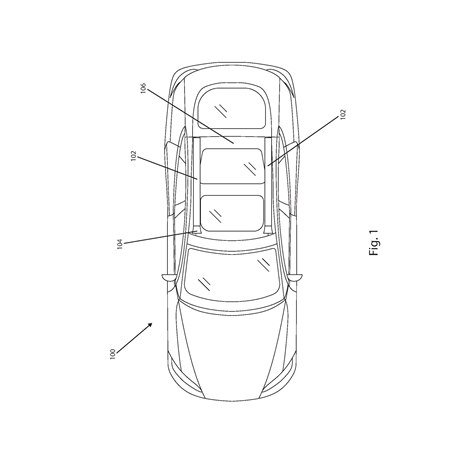
A series of tubes routed from the front of the vehicle to the rear, each housing a wind turbine coupled to an alternator. As the vehicle moves, air passing through the tubes spins the turbines and the alternators generate current for the charging circuit. Designed by inventor Michael A. Davis to address the recharge constraint that limits continuous EV range.

  • Patent Pending: Intellectual property protection is in progress.
  • Prototype Available: A physical prototype is ready to demonstrate to serious partners.
  • Engineering Documented: Full product specification and professional engineering review are on file.

Open to Partners

Manufacturing, retail, wholesale, distribution, and licensing opportunities are open now. Inventor Michael A. Davis is taking inquiries directly.

Opportunities available for
  • Manufacturing
  • Retail & Wholesale
  • Distribution
  • Licensing
Wind Car logo

Patent Pending Technology

The Wind Car is protected by a pending patent application, supported by a complete product specification, and demonstrated by an available prototype. Documentation is available for review under appropriate agreement.

Request Information
Patent pending status for the Wind Car

Watch the Demo

A short overview of the Wind Car concept from inventor Michael A. Davis — how the turbine tubes are routed through the vehicle, how the alternators tie into the charging circuit, and what the system is designed to do at cruising speed.

How the Wind Car Works

Electric and plug-in hybrid vehicles now deliver the performance and functionality of conventional cars while cutting emissions, running quieter, and simplifying maintenance. Their remaining constraint is recharging — hours on a charger against minutes at a fuel pump. That gap governs continuous operating range on electric power alone, and manufacturers are actively looking for anything that extends the time and distance a vehicle can travel between charges.

The Wind Car is inventor Michael A. Davis's approach to that constraint. The design routes a series of tubes from the front of the vehicle to the rear, each housing a wind turbine coupled to an alternator. As the vehicle moves, air passing through the tubes spins the turbines and the alternators generate current. Conventional rechargeable batteries drive the wheel motors through a voltage regulator circuit during starting, uphill travel, and low-speed operation; once cruising speed is reached, the turbine array is intended to feed the charging circuit. Tube count scales to the power requirements of the host vehicle.

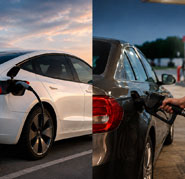
Electric vehicle waiting at a charging station

The Problem

Recharge time is the bottleneck. An electric vehicle needs hours on a charger where a conventional vehicle needs minutes at a pump, and that single constraint limits continuous operating range and shapes every route an EV driver plans. Manufacturers remain on constant lookout for anything that improves efficiency and extends range.

The Wind Car solution

The Solution

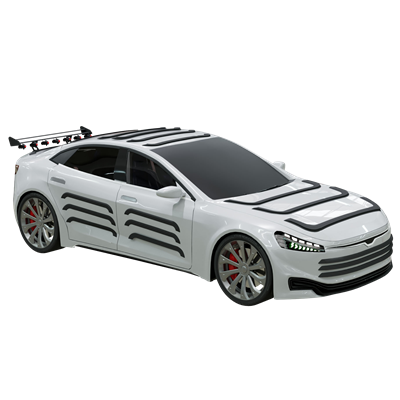
The Wind Car captures airflow the vehicle is already moving through. Turbines mounted inside front-to-rear tubes turn in ratio to road speed, driving alternators that feed the charging circuit. The array is designed to supplement the battery pack during cruise, with tube count scaled to the vehicle and components drawn from standard industrial parts.

Contact the Wind Car team

Contact Us

The Wind Car is patent pending, a prototype is available, and full engineering documentation is on file. Inventor Michael A. Davis is seeking manufacturing, retail, wholesale, distribution, and licensing partners. Contact us now to open a conversation and request the technical package.

Features and Benefits

  • Electric Vehicle Power Source Designed for electric and hybrid motor vehicles, drawing on airflow the vehicle already generates rather than a separate external energy source or added fuel cost.
  • Wind Turbines Within Tubes Turbines are housed inside tubes routed from the front to the back of the motor vehicle, capturing air movement as it passes the moving vehicle.
  • Scalable Tube Array Additional tubes with turbines and alternators can be added depending on the power needs of the host vehicle.
  • Speed-Proportional Output Each wind turbine turns in ratio to vehicle speed, so generation rises as road speed increases.
  • Alternator-Driven Generation Every turbine drives an alternator that produces electricity used to recharge onboard batteries or supply the drive motors directly.
  • No Added Emissions The system introduces no combustion of its own — no pollutants, no exhaust, and no dangerous emissions from the added assembly.
  • Readily Available Materials Batteries, wind turbines, charge controllers, drive motors, and interconnecting components are standard industrial parts available from existing wholesalers at reasonable cost.
  • Cost-Effective To Manufacture Lightweight, sturdy, durable construction with a relatively simple component design, assembled by manufacturing workers of average skill.

The Story Behind the Wind Car

Inventor Michael A. Davis started from a problem every electric vehicle owner already knows. Electric and plug-in hybrid vehicles have closed the gap with conventional cars on power, comfort, and cost of ownership — but not on refueling. Hours on a charger against minutes at a pump is the difference that still dictates how far an EV goes and how its driver plans a trip.

His answer was to look at the air the vehicle is already pushing through. The Wind Car routes a series of tubes from the front of the vehicle to the rear, each carrying a wind turbine linked to an alternator, so that motion down the road turns into current at the charging circuit. Batteries handle starting, grades, and low speed; the turbine array is intended to contribute once the vehicle is up to cruising speed.

The Wind Car is patent pending, a prototype has been built, and a full product specification has been prepared. Michael A. Davis is now seeking manufacturing, retail, wholesale, distribution, and licensing partners to carry the design forward. Contact us to request the technical package and open a conversation.

Wind Car logo

Contact Us

Ready to learn more? Contact us now for manufacturing, retail, wholesale, distribution, or licensing opportunities.